
Preparing for GS1 Sunrise 2027: Getting 2D Codes Right
The move toward 2D barcodes is creating new opportunities for brands to carry richer product information while supporting traceability and supply-chain requirements. As the industry prepares for GS1 Sunrise 2027, packaging teams need to look beyond simply generating a QR code. The data structure, print quality, verification process and selected marking technology all have to work together so the finished code remains reliable from the production line through the point of sale.
Why 2D Code Quality Matters
Unlike a simple static barcode, a GS1 Digital Link-enabled 2D code can carry information such as product identification, batch or lot details, serialisation and expiration information. Because these codes may be printed inline on packaging, the responsibility for producing a consistently readable symbol increasingly sits with the packaging operation.
For a 2D code to work effectively, the encoded information must be correct and the printed symbol must remain within the required quality parameters. A code that looks acceptable to the eye may still perform poorly when scanned by different devices.
Understanding GS1 Application Identifiers
GS1 Application Identifiers define the type of information contained in a GS1 data structure. Common identifiers include 01 for GTIN, 10 for batch or lot information, 21 for serial numbers and 17 for expiration dates.
The correct identifiers depend on the product and business requirement. Packaging teams should validate the data structure before production rather than relying on manual checks after the code has already been created.
Qr Codes and Datamatrix: What Is the Difference?
Both QR codes and DataMatrix symbols can represent structured data, but they serve different practical purposes. GS1 Digital Link is strongly associated with QR codes because the format can provide a direct web-based consumer experience alongside product identification.
DataMatrix can also carry structured information, but it does not offer the same familiar consumer engagement model. The choice should therefore consider both the technical requirement and how the code is expected to be used.
Print Quality Is Part of the Specification
A successful 2D code must be scannable consistently in the environments where it will be used. GS1 requirements reference ISO/IEC 15415 for 2D symbol quality, with grading based on factors such as contrast, modulation, print growth and quiet zones.
Verification equipment can assess the printed symbol and assign a quality grade. Inline verification is particularly useful for production environments because it can identify deterioration while the line is running rather than waiting for a downstream complaint or failed scan.
Quality results can also be retained as evidence when troubleshooting recurring print issues or validating a production process.
Validate the Syntax Before the Product Reaches the Line
Print quality is only half of the equation. The information encoded in a GS1 Digital Link must also follow the expected structure. Validation should check items such as GTIN formatting, date structure and the correct use of Application Identifiers.
Building validation into the template creation process can reduce the opportunity for manual errors. Where available, guided design tools can help standardise templates and reduce dependence on operator decisions.
Choosing a Printing Technology for 2D Codes
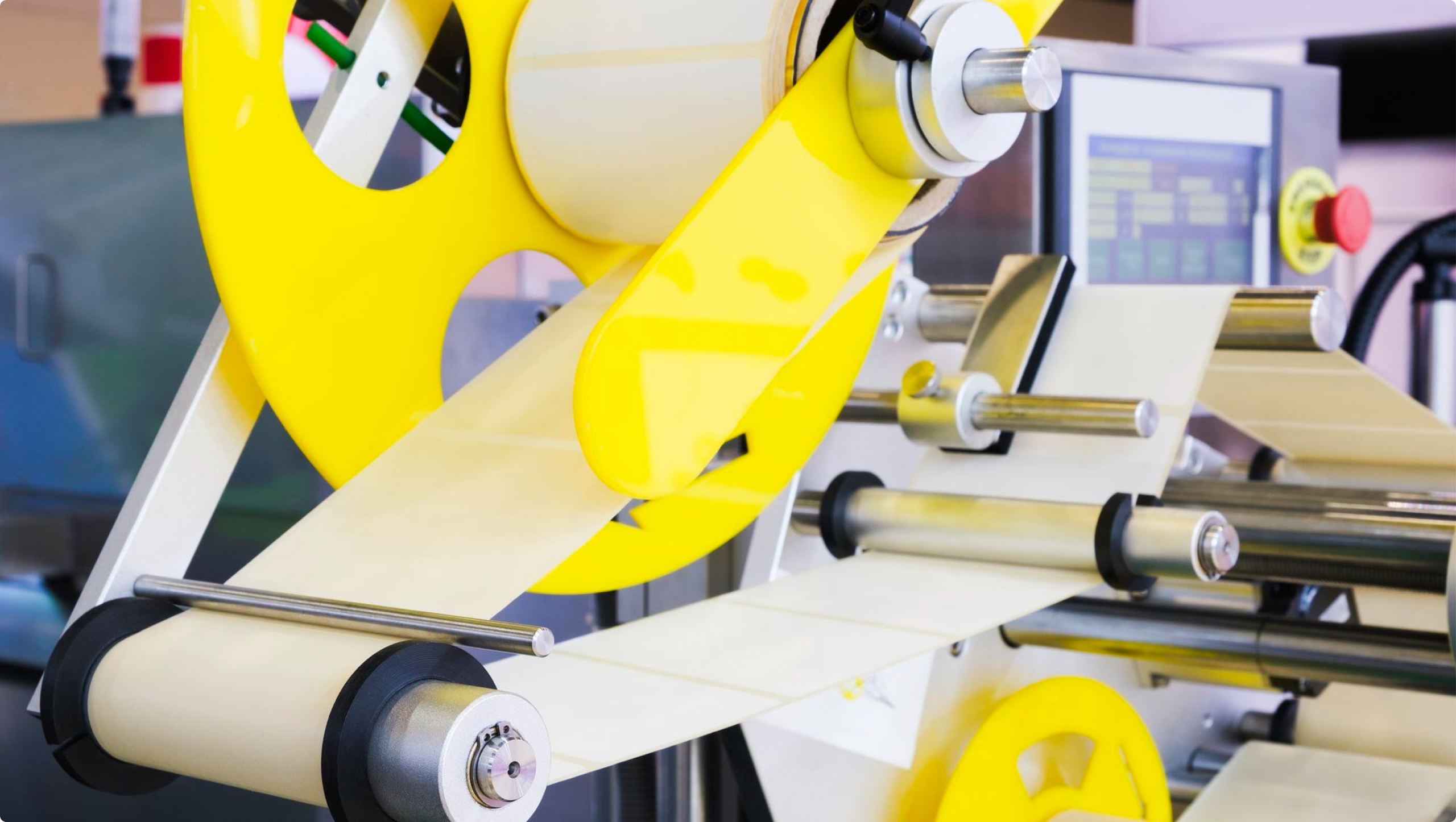
Different coding technologies suit different packaging applications. Thermal transfer overprinting can produce high-resolution 2D codes, text and graphics on flexible packaging. Laser systems can create permanent marks without ink or ribbon consumables, provided the substrate is compatible.
Thermal inkjet offers high-resolution printing with relatively low maintenance, while label print-and-apply systems are commonly used for cases and cartons. Continuous inkjet can provide fast, durable coding across a broad range of packaging materials.
The correct technology depends on the substrate, production speed, message size, required permanence, available print area and verification requirements. Application testing is therefore an important part of the selection process.
A Practical Checklist for Sunrise 2027 Readiness
- Confirm that the required GS1 data elements are correctly structured.
- Choose a print technology that matches the substrate and production conditions.
- Check the physical size and print quality of the 2D symbol.
- Use verification to confirm that printed codes meet the required grade.
- Validate the Digital Link syntax before production.
- Standardise templates and workflows to reduce manual entry errors.
- Test codes under realistic scanning conditions rather than relying only on visual inspection.
The Bottom Line
Preparing for GS1 Sunrise 2027 is not simply a matter of switching from a 1D barcode to a 2D symbol. Reliable implementation depends on three connected areas: accurate data, compliant print quality and the right coding technology.
By addressing these areas early and testing the complete process on the actual packaging line, manufacturers can build a more dependable foundation for 2D coding and future traceability requirements.